 Are you a bath bomb user? Many people love using them to relieve stress or just have a sweet-smelling bath, but can it cause problems with your plumbing? That’s a great question.
Depending on the ingredients of your bath bombs, you might be left dealing with a clogged drain in your bathtub. Luckily, Tony’s Plumbing and Heating is here to help! Check the Ingredients Most bath bombs are made with salts, oils, and scents to help create a relaxing, yet fragrant spa-like experience. They can contain Epsom salt or baking soda to help soothe your sore muscles, which both dissolve well in water. Some of the other ingredients like cornstarch, essential oils, cocoa butter, essential oils, and glitter. Glitter never goes down the drain well. In addition to that, some of the ingredients that don’t dissolve well in water can leave behind a residue in your tube, as well as cling to the walls of the pipes in your home. As time passes, these ingredients can build up and collect other things like hair and soap to cause clogs. Keeping Your Pipes Clear If you want to keep using bath bombs, we think that’s a great idea! Don’t give up a little “me time” because you might get a clogged pipe or drain over time. Here are a few simple steps to keep those clogs and pipes clear:
Pretty simple steps to keep enjoying your bath bombs whenever you need a little stress relief! Of course, if you do find yourself with a clogged drain that just won’t budge, we’re here to help.
0 Comments
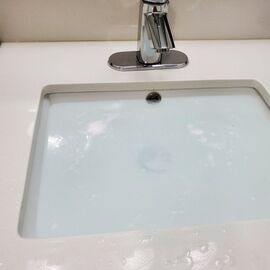 Ewwwww… gross. There is a hair clog in your drain. This might be one of the most wretched tasks that one might have to accomplish. If you have ever cleaned out a hair clog in a drain, you know that it looks gross, smells gross, and is wretch-inducing. So, to avoid having to perform this task, let’s talk about how to prevent the hair from clogging up in the first place. You’re probably not going to remove the source of the hair-causing clogs (i.e. family members and yourself) from your home, so let’s focus on your plumbing.
Before taking a shower or bath, clean any loose hairs you see laying on the base of the tub and shower and throw them in the trash can. The same goes for the bathroom sink. This helps reduce the amount of hair that can end up down the drain. Add a protective screen, such as a drain cover for over and under your drains. This will catch the hair and prevent it from going down the drains, we suggest the drain covers that are specifically designed to trap hair. Remember to clean the cover regularly by removing the hair and placing it into a trash can. You can also try flushing all of your drains at once, sending a torrent of water to clear up the hair and debris. Several people will have to coordinate for this task. Close all the drains including the bathtub and shower and sinks, and then fill each one with warm water. Have someone standing by each one of your drains and toilets, then coordinate your water attack! Have everyone open the drains and flush all the toilets at the exact same moment. This could flush all the debris out of the pipes, but if this fails, further cleaning of the pipes will need to be done. If these preventative measures don’t quite do the trick, and you still have water that won’t drain, here’s how to clean the clog. If you can see the clog, try removing it with your hands or a bent wire hanger (they also sell plastic, barbed drain-cleaners instead of using a wire hanger). If this doesn’t clear the drain, then you can try a chemical drain cleaner from the store, or you can try this natural solution. Pour ¾ cup of baking soda into the drain, and then pour ½ cup vinegar down the drain after the baking soda. Then plug the drain for about 30 minutes, then pour boiling water down the drain. Look to see if you can see the drain is clear and run water for about five minutes to see if this did the trick. If the clog still persists, you might need to bring in the professionals. Give us a call at Tony’s Plumbing to help with your clogged drain needs! |
AuthorAt Tony's Plumbing & Heating, we offer outstanding residential and commercial plumbing and heating services in the East Twin Cities metro. With our blog, we hope to bring you useful tips and tricks for ever day life! Archives
June 2024
Categories
All
|
 RSS Feed