
 October is your last real window to protect your plumbing before winter weather sets in. Once the first hard freeze hits, it's too late for prep work — it's emergency territory. At Tony's Plumbing & Heating, we'd much rather help you prevent a burst pipe than repair one, so here's what to tackle this month.
When water freezes inside a pipe, it expands. This expansion creates tremendous pressure on the pipe walls, making it easy for a crack or complete burst to occur. The worrying part is that the break can happen away from the ice blockage. As a result, a small freeze can lead to a significant and unexpected leak once the ice thaws. 1. Disconnect and Drain Garden Hoses If you haven't done so already, now is the time to disconnect those outside hoses. Keeping a hose connected can trap water in the spigot and the pipe behind it, which often freezes first and cracks when temperatures drop. 2. Insulate Pipes in Unheated Areas Basements, crawl spaces, attics, and garages don't get the benefit of your home's heating system, which makes any pipes running through them vulnerable. Foam pipe sleeves are inexpensive and take about five minutes per section to install—a small job that prevents a much larger one. 3. Seal Up Drafts Near Pipes Start by checking the areas where pipes enter your home through exterior walls. Look for gaps around foundation vents or openings in the crawl space. Even a small draft can lower the temperature around a pipe enough to create problems on a cold night. You can quickly seal these gaps using caulk or spray foam. 4. Know How to Let Faucets Drip On the coldest nights of the season, letting a faucet drip slightly keeps water moving through the pipe, which makes freezing much less likely. It's worth knowing which faucets in your home are most at risk — usually ones on exterior walls — so you're ready when a cold snap is in the forecast. 5. Locate Your Main Water Shutoff If a pipe freezes and cracks, the first thing you should do is stop the water flow. Make sure everyone in your household knows where the main shutoff valve is and that it works and is easy to turn. Taking this simple step can mean the difference between a quick repair and extensive water damage. 6. Have a Plumber's Number Ready Even when you're prepared, things can go wrong. Keep a plumber's contact info somewhere easy to find — not just saved in your phone, but posted somewhere visible for anyone in your home to see in an emergency. A little time spent now can save you thousands in water damage repairs later. If you want a professional set of eyes on your plumbing before the cold really sets in, Tony's Plumbing & Heating offers pre-winter inspections to catch vulnerable spots before they become problems. Call us this month to schedule your winter-readiness plumbing check.
0 Comments
 As Minnesota temperatures plummet in January, your plumbing system faces one of its biggest challenges of the year: the risk of frozen pipes. A single frozen pipe can burst, causing thousands of dollars in water damage—not to mention major headaches.
At Tony’s Plumbing and Heating, we want to help you avoid winter plumbing emergencies. Here’s what every homeowner should know this season. Why Do Pipes Freeze in Winter? When the temperature drops below freezing, the water inside your pipes can freeze, expand, and eventually cause the pipe to burst. Pipes in unheated or poorly insulated areas—like basements, garages, crawlspaces, or exterior walls—are the most vulnerable. Common causes of frozen pipes include:
How to Prevent Frozen Pipes The good news? With a few simple steps, you can prevent frozen pipes and protect your home. Here’s what we recommend:
Signs Your Pipes May Be Frozen Catch the warning signs early to avoid disaster. Look out for:
What to Do If a Pipe Freezes First things first: turn off the water supply to prevent damage if the pipe bursts. Then:
At Tony’s Plumbing and Heating, we’re just a phone call away and ready to help with emergency service. Winter Plumbing Tune-Ups: Peace of Mind All Season January is a great time for a plumbing and heating checkup. During a winter tune-up, our licensed technicians can:
Call Tony’s Plumbing and Heating Today! Don’t let frozen pipes ruin your winter. Whether you need help winterizing your home, thawing a pipe, or upgrading your system, Tony’s Plumbing and Heating is here for you. Call us today to schedule your winter plumbing check-up and enjoy a warm, worry-free season.  It’s easy to think of a Minnesota winter as being a long way off, but as any local knows, the first hard freeze can sneak up on us. Here at Tony's Plumbing & Heating, we've seen firsthand the damage that a single night of sub-freezing temperatures can cause. A burst pipe isn't just a simple leak; it can lead to thousands of dollars in water damage to your walls, floors, and personal belongings.
In our over 35 years of serving the Oakdale community, we've helped countless homeowners navigate this stressful situation. We want to help you avoid it entirely! This post is dedicated to a very important topic for any Minnesota homeowner: preventing frozen pipes. What Causes a Pipe to Freeze? It’s not just a lack of heat. A pipe can freeze for several reasons:
What Are the Warning Signs? While a frozen pipe doesn't always burst immediately, there are a few signs that you have a problem:
The "Do's and Don'ts" of a Frozen Pipe DO:
At Tony's Plumbing & Heating, we're dedicated to keeping your home safe and warm all winter long. Don't wait for the first hard freeze to call us. We offer professional, fast, and friendly service to our Oakdale neighbors. 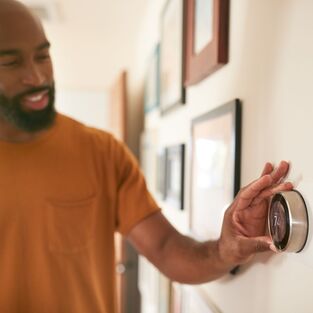 When the weather outside gets cold, we run the risk in the midwest of having our pipes freeze. In fact, burst pipes are one of the most common causes of property damage during cold weather and can cause thousands of dollars in damage.
Pipes most at risk are those in unheated interior spaces like attics, basements, and garages, but other pipes can freeze as well. There is good new though! THere are simple things you can do to prevent those pipes from freezing and we're here to tell you about them: Keep Your Garage Door Closed! If you have water supply lines in the garage, keep your garage door closed when it's not in use. Open Up Kitchen and Bathroom Cabinet Doors. If you are worried about indoor pipes freezing, help the air in the home circulate by opening up your cabinet doors. This works well especially if your sinks share an exterior wall. If you have small children or pets in the home, be sure to remove objects or chemicals that may cause harm before doing so. Set Your Thermostat to the Same Temperature. Keeping your thermostat at a consistent temperature during the day and night can help save your pipes. During a cold spell, be sure to keep it consistent as well! Keep the Heat on if You Plan to Be Away. Planning a vacation during the winter months? Be sure to keep your heat on no lower than 55 degrees. Consider Adding Insulation for Long Term Results! If your worried about pipes freezing over the years, consider adding insulation to your basement, crawl space, or attic. You can also consider options to heat your garage. Of course, these aren't your only options for preventing your pipes from freezing, but we're confident this is a good place to start. If you have questions, don't hesitate to ask. |
AuthorAt Tony's Plumbing & Heating, we offer outstanding residential and commercial plumbing and heating services in the East Twin Cities metro. With our blog, we hope to bring you useful tips and tricks for ever day life! Categories
All
|
 RSS Feed