Tonys Plumbing and Heating
  • Home
  • About
  • Services
  • Contact
  • Testimonials
  • Blog
Picture
Serving the Twin Cities East Metro & Surrounding Suburbs with Expert Plumbing Services

Call now

November Plumbing Patrol: 3 Critical Winterizing Steps to Prevent a Burst Pipe Disaster

11/3/2025

0 Comments

 
Picture
November is here, and for homeowners, that means one thing: the clock is ticking on winter preparation. The single most common (and most expensive) winter home emergency is a burst pipe.

A line of frozen, expanding water can cause a crack that floods your home once it thaws—leading to thousands in water damage. The good news? It is entirely preventable with a little November "Plumbing Patrol."

Here are the three critical steps you need to take this month, and how Tony's Plumbing can help you check the items that require an expert's touch.

Step 1: Focus on Your Outdoors (The Hose Bibs)Your outdoor faucets (or hose bibs) are the most vulnerable pipes in your entire home. Any water left in the line between your house and the spigot is exposed to freezing cold air and will freeze solid.

Your DIY Action Plan:
  1. Disconnect: Remove and drain all garden hoses. Store them in the garage or shed. Leaving a hose attached keeps water trapped in the pipe and is the #1 cause of cracked outdoor faucets.
  2. Shut Off: Find the shut-off valve for your outdoor spigots inside your home (usually in the basement or utility room). Turn it off.
  3. Drain: Open the outdoor faucet one last time to drain any residual water from the line.
  4. Cover: Place an insulated foam faucet cover (available at any hardware store) over the spigot for extra protection.

How Tony's Plumbing Can Help:
If you have an automated sprinkler or irrigation system, it needs to be properly drained and "blown out" with an air compressor. This is a job best left to the pros to ensure all the water is cleared without damaging the system. Call us today to schedule your system blowout.

Step 2: Insulate the Vulnerable Spots (The Unheated Areas)The pipes that are most likely to freeze are those running through unheated spaces.

Your DIY Action Plan:
  1. Locate Exposed Pipes: Walk through your garage, basement, crawl spaces, and attic. Look for any exposed pipes against exterior walls.
  2. Seal Any Air Leaks: Use caulk or weatherstripping to seal any small cracks or gaps in your exterior walls where cold air can rush in and hit the pipes. Pay close attention to where utility lines enter the house.
  3. Open Cabinets: During extreme cold snaps, keep the cabinet doors open under your kitchen and bathroom sinks. This allows warm air from the house to circulate around the pipes that are often installed against exterior walls.*

How Tony's Plumbing Can Help:
For long runs of piping in difficult-to-access crawlspaces or basements, we can expertly install pipe insulation or, for the most vulnerable spots, electric heat cable (heat tape) to ensure they stay warm even during an arctic blast.


Step 3: Prepare for the Worst (The Emergency Plan)No matter how well you prepare, accidents happen. You need to know what to do when an unexpected cold snap is coming or if you find a leak.

Your DIY Action Plan:
  1. Know Your Main Shut-Off: Locate your home's main water shut-off valve and ensure every adult in the house knows how to use it. If a pipe bursts, shutting off the main water line is the only way to stop the flooding. Test it now to make sure it’s not seized up!
  2. Test Your Sump Pump: Pour a bucket of water into your sump pit to ensure the pump activates correctly. * You need this working flawlessly when the snow melts.

If you are experiencing problems, we highly recommend a professional look at your Water Heater before it has to work overtime this winter. Cold incoming water puts a massive strain on your unit.
Don’t gamble your home's safety on a cold snap! Call Tony's Plumbing & Heating today to schedule your winterization service.


*https://atchleyair.com/how-to-prepare-for-a-winter-storm/
*https://www.marathonhvac.com/plumbing/rancho-park-ca/sump-pumps/

0 Comments

Is Your Water Heater Ready for the Minnesota Winter?

10/20/2025

0 Comments

 
Picture
Is Your Water Heater Ready for the Minnesota Winter?

October is a beautiful month in Oakdale. The leaves are at their peak, the air is crisp, and we’re all enjoying those last few weeks of moderate weather before the inevitable Minnesota winter takes hold. But while you’re planning your pumpkin-carving and apple-picking, there’s one essential part of your home you should be thinking about: your water heater.

At Tony’s Plumbing & Heating, we know that your water heater is the unsung hero of your home. It works hard all year, but when the temperature plummets and the incoming water is ice-cold, it has to work even harder. A little preventative maintenance now can save you from a major breakdown—and a cold shower—in the middle of a January cold snap.

Here’s why October is the perfect time for a water heater check-up and what you should be looking out for.

Why Your Water Heater Works Overtime in the Winter

Your water heater’s job is to heat the water coming into your home to a set temperature. In the summer, the ground temperature is warmer, so the incoming water is relatively mild. But in the dead of winter, that water can be close to freezing. This means your water heater has to use significantly more energy to bring the water up to a comfortable temperature, putting extra strain on the unit.
This increased demand can expose existing problems, leading to a breakdown when you need hot water most.

3 Warning Signs Your Water Heater Might Be Failing

Before it gives up entirely, your water heater will often give you a few subtle clues that something is wrong. Don't ignore these signs!
  1. Strange Noises: If you hear rumbling, banging, or popping sounds coming from your water heater, it's likely due to sediment buildup at the bottom of the tank. This sediment forces the heating element to work harder and can eventually cause damage to the unit.
  2. Lack of Hot Water: Are you running out of hot water faster than usual, or is it not getting as hot as it used to? This is a clear sign of a problem, either with the unit’s heating ability or the size of the tank for your household's needs.
  3. Visible Leaks or Rust: A small puddle of water or rust on or around the tank is a major red flag. Leaks can be caused by a failing pressure relief valve, a loose connection, or a rusted-out tank, which often means it's time for a replacement.

What You Can Do to Prepare

  • Flush the Tank: Draining and flushing your water heater helps remove the mineral sediment that can build up over time. This simple maintenance step improves efficiency and can extend the life of your unit.
  • Insulate Pipes: Insulating the hot water pipes coming out of your water heater will help the water stay hot as it travels to your faucets and showers, reducing the strain on the unit.
  • Know When to Call a Pro: The best thing you can do for your water heater is have a professional inspection. Our technicians at Tony’s Plumbing & Heating can assess the age and condition of your unit, perform a professional flush, and help you determine if a simple repair or a full replacement is the right choice.

Is It Time for an Upgrade?

If your water heater is over 10-12 years old, it’s living on borrowed time. A new, high-efficiency model can save you money on your utility bills and provide the peace of mind of a reliable hot water supply. We specialize in both traditional tank water heaters and modern, energy-saving tankless water heaters.
Don't let a failing water heater leave you in the cold. Take a proactive step this October to ensure your home is ready for the long winter ahead.

0 Comments

Keep Your Pipes Flowing: Essential Winter Plumbing Tips

12/14/2023

1 Comment

 
Picture
Winter's icy grip can wreak havoc on your plumbing system in the Twin Cities, leading to frozen pipes, burst lines, and costly repairs. With a little preparation and some proactive steps, you can keep your pipes happy and your home warm throughout the season. Here are some essential winter plumbing tips to prevent frozen pipes and keep the water flowing:

Insulate Exposed Pipes:
  • Identify exposed pipes in unheated areas like crawl spaces, basements, attics, and exterior walls. Wrap them with foam insulation sleeves or pipe covers to prevent heat loss and potential freezing.
  • Don't forget to insulate vulnerable areas around shut-off valves, hose bibs, and exposed plumbing fixtures.
Seal Air Leaks:
  • Seal air leaks around windows, doors, and other openings where cold air can enter and chill your pipes. Use caulk or weather stripping to block drafts and keep the warmth inside.
  • Consider installing draft stoppers or closing unused fireplaces to prevent cold air from circulating around your plumbing.
Let Your Faucets Drip:
  • In extreme cold, open a faucet slightly (a trickle is enough) with pipes exposed to freezing temperatures. This allows water to keep moving, reducing the risk of ice formation.
  • Remember to close the faucet once the temperatures rise to prevent unnecessary water waste.
Disconnect and Drain Outdoor Hoses:
  • Disconnect and drain hoses from your spigots before the first frost. Store them in a warm, protected area to prevent freezing and potential damage.
  • Turn off and drain the shut-off valve for your outdoor hose bib to prevent water from backing up and freezing inside the pipe.
Keep Your Thermostat Above Freezing:
  • Maintain a consistent temperature above freezing (ideally around 50°F) in your home, even when you're away. This will prevent pipes in vulnerable areas from freezing.
  • Consider setting a programmable thermostat to automatically adjust the temperature during the day and night, ensuring constant heating for your pipes.
Know Your Main Water Valve:
  • Locate and familiarize yourself with the main water valve that shuts off water supply to your entire house. This will be crucial in case of a pipe burst.
  • Make sure the valve is easily accessible and not covered by furniture or clutter.
Be Proactive with Inspections:
  • Regularly check exposed pipes for any signs of leaks, cracks, or bulging. Address any issues promptly to prevent them from worsening in cold weather.
  • If you suspect a pipe might be frozen, try to thaw it with warm towels or a hairdryer applied directly to the pipe. Avoid using open flames or direct heat sources, as this can damage the pipe.

Bonus Tip: Consider installing a freeze alarm on vulnerable pipes to alert you if the temperature drops to a dangerous level.

By following these winter plumbing tips, you can minimize the risk of frozen pipes and ensure your home's plumbing system operates smoothly throughout the cold season. Remember, prevention is key! By taking proactive steps, you can avoid costly repairs and enjoy a worry-free winter. We’re always here to help!

1 Comment
Preventing Frozen Pipes in the Winter

12/7/2022

0 Comments

 
Picture
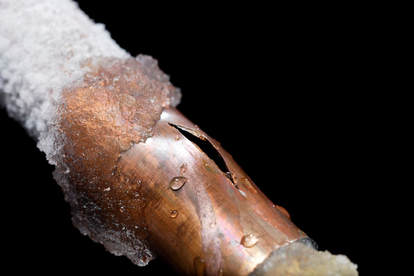
When the weather outside gets cold, we run the risk in the midwest of having our pipes freeze. In fact, burst pipes are one of the most common causes of property damage during cold weather and can cause thousands of dollars in damage. 

Pipes most at risk are those in unheated interior spaces like attics, basements, and garages, but other pipes can freeze as well. There is good new though! THere are simple things you can do to prevent those pipes from freezing and we're here to tell you about them:

Keep Your Garage Door Closed! If you have water supply lines in the garage, keep your garage door closed when it's not in use.

Open Up Kitchen and Bathroom Cabinet Doors. If you are worried about indoor pipes freezing, help the air in the home circulate by opening up your cabinet doors. This works well especially if your sinks share an exterior wall. If you have small children or pets in the home, be sure to remove objects or chemicals that may cause harm before doing so. 

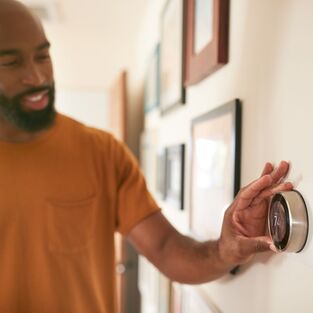
Set Your Thermostat to the Same Temperature. Keeping  your thermostat at a consistent temperature during the day and night can help save your pipes. During a cold spell, be sure to keep it consistent as well! 

Keep the Heat on if You Plan to Be Away. Planning a vacation during the winter months? Be sure to keep your heat on no lower than 55 degrees. 

Consider Adding Insulation for Long Term Results! If your worried about pipes freezing over the years, consider adding insulation to your basement, crawl space, or attic. You can also consider options to heat your garage. 

Of course, these aren't your only options for preventing your pipes from freezing, but we're confident this is a good place to start. If you have questions, don't hesitate to ask. 

0 Comments

5 Most Common Winter Plumbing Issues

11/27/2018

2 Comments

 
Picture
We don’t have to tell you that winter can be brutal here in Minnesota. This year seems to be no different than the last. We face some very chilly days, and due to that constant cold, we’re also often facing some pretty disastrous plumbing malfunctions! Here are five of the most common plumbing issues, and our recommendation on how to handle them! Surprise, you’re going to have to make a call to your favorite plumber.
  • Water Heater Failure: After a long night of shoveling the driveway, or even just to wake you up in the morning, there’s no solace quite like the inside of your steamy hot shower. It’s a nice respite from the cold, so when your source of hot water goes out you’re going to notice. Your water heater works much harder in the winter to keep the internal water at a proper temperature, so make sure you regularly maintain this important piece of your home. Water heaters typically last about ten years, so if it’s been longer than that, it might be time to consider a replacement.
  • Clogged drains: The holidays are more than just a strain on your mental health, they also put a huge strain on your homes drain system. Between the forever long showers your nephew takes and the grease grandma accidentally poured down the drain, your piping is seeing one havoc after another, and needs someone to pay attention! If you’re expecting visitors this year, it may be a good idea to have your drains cleared prior. If you’re seeing any lag in draining, call us today!
  • Frozen Pipes: As soon as the weather gets cold, get your plumbing systems checked out. Even the tiniest exposed surface area can cause issues for your pipes, and with our cold winters this is an extremely common occurrence. Some people even choose to face the higher water bill and keep a constant drip of water flowing to ensure regular movement. If your plumbing seems to be frozen in any way, immediately turn off your water and call a professional. We’re here to help.
  •  Water Line Leak: No matter which way you look at the words “water line leak” it’s bad news. Older pipes are naturally more prone to developing holes or splitting. The most common way this happens is when a water line freezes and splits the pipe. Ensure that you’re taking care of your water line during the rest of the year, and have it looked at prior to a frozen winter. The sooner you spot a leak, the less damage will be done to your home!
  •  Burst Septic Tank: This doesn’t apply to every household, but it does certainly cause one of the most unfortunate issues we’ve faced in the winter. When it gets very cold out, you can experience the line from the house to the septic frozen, and worse yet, sometimes the tank itself can burst. This requires immediate attention, so thankfully we know a guy! Make sure to have your septic cleaned out prior to the winter months to avoid this disaster!
    There are plenty of other winter plumbing nightmares we could fill your brain with, but for the meantime, we will leave you with these five headaches. It is our goal to make sure your home is running efficiently. So, keep us in mind if you have any issues arise, this winter, and the winters to follow!


2 Comments

    Author

    At Tony's Plumbing & Heating, we offer outstanding residential and commercial plumbing and heating services in the East Twin Cities metro. With our blog, we hope to bring you useful tips and tricks for ever day life! 

    Categories

    All
    Back Flow
    Backflow Testing
    Back To School
    Bathroom
    Bath Tub
    Bathtub
    City Water
    Cleaning
    Clogged Drain
    Dishwash
    Dishwasher
    DIY Plumbing
    Emergency
    Entertaining
    Fall
    FAQ's
    Faucets
    Frozen Pipes
    Garbage Disposal
    Hard Water
    Heated Floring
    Holiday Season
    Home Hacks
    Home Owner
    Home Tips
    Hot Water
    Hot Water Heater
    Kitchen
    Leaks
    Leaky Toilet
    Maintenance
    Mold
    Moving
    New Year
    Outdoor
    Plumber Tool Kit
    Plumbing
    Plumbing Myths
    Remodel
    RPZ
    Save Money
    Science
    Sewer Lines
    Spring
    Stillwater Minnesota
    Sump Pump
    Things To Do
    Toilet
    Toilet Problems
    Valentines Day
    Water Damange
    Water Heater
    Water Pressure
    Water Softener
    What's That Noise
    White Bear Lake Minnesota
    Winter

    RSS Feed

Our Location:
​

661 Hayward Ave N
Oakdale, MN 55128


What Our Clients Are Saying:

"I have hired Tony's Plumbing for two significant projects at my home this year & have been very satisfied with the work. His team is experienced, friendly, arrives on time and the workmanship has been outstanding. I would highly recommend Tony's Plumbing for your next plumbing job!" Dan L. 

​"​Tony was extremely polite, worked with a sense of urgency, and went out of his way to give extra advice and help me understand what was going wrong with my pipe! Great job" Eddie C

Contact Us

651-340-1259
Site Map
Woodbury MN Services
Oakdale MN Services
​
License #PM063821
  • Home
  • About
  • Services
  • Contact
  • Testimonials
  • Blog